
Aquaculture AI, explained
Practical guides on biomass estimation, fish counting, feed and health monitoring, and the technology behind precision aquaculture.
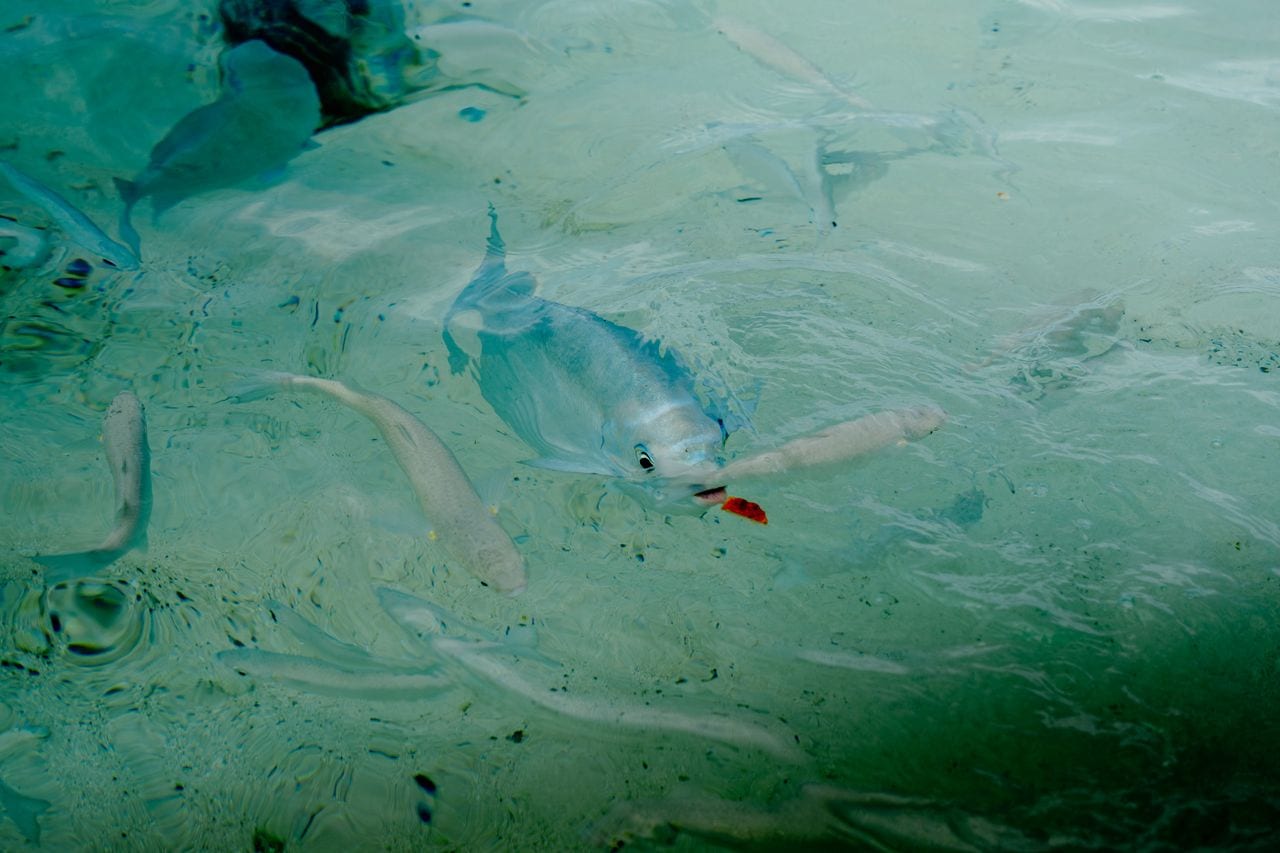
How AI Fish Biomass Estimation Works
How computer vision estimates fish biomass without netting or handling, why it beats manual sampling, and what accuracy farms can expect.
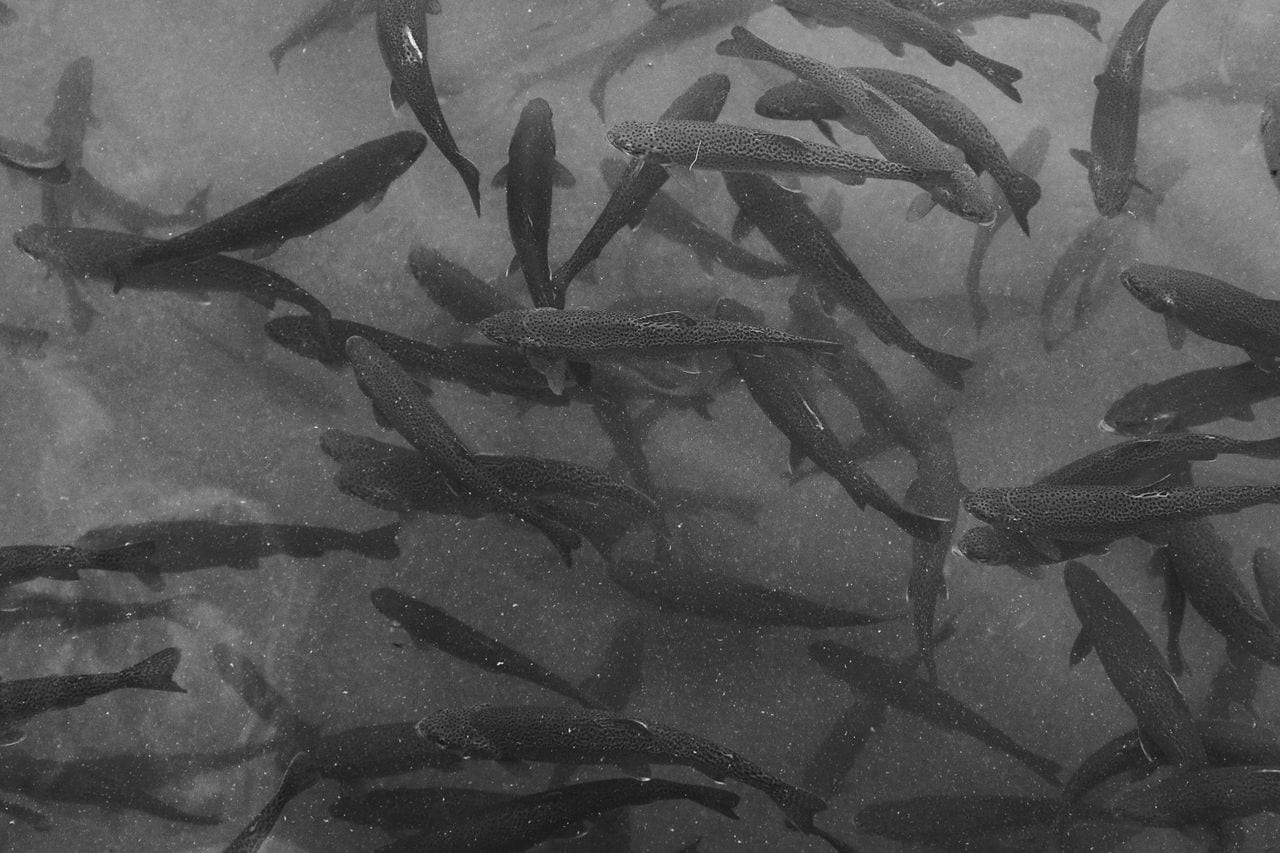
Fish Counting With Computer Vision Explained
How AI counts fish at stocking, grading and harvest, why manual counts drift, and what vision-based counting changes for farm decisions.
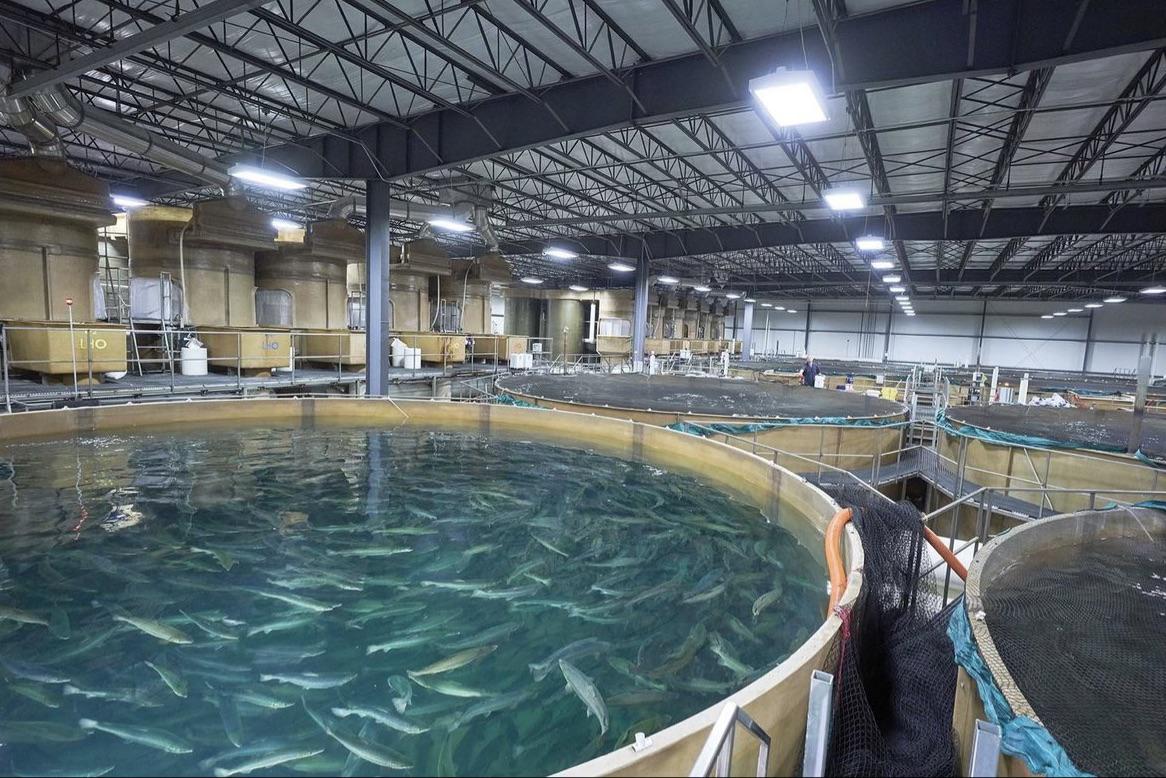
How AI Cuts Costs in RAS Aquaculture
Why recirculating aquaculture systems benefit most from AI monitoring, from labour and feed savings to catching water-quality problems early.
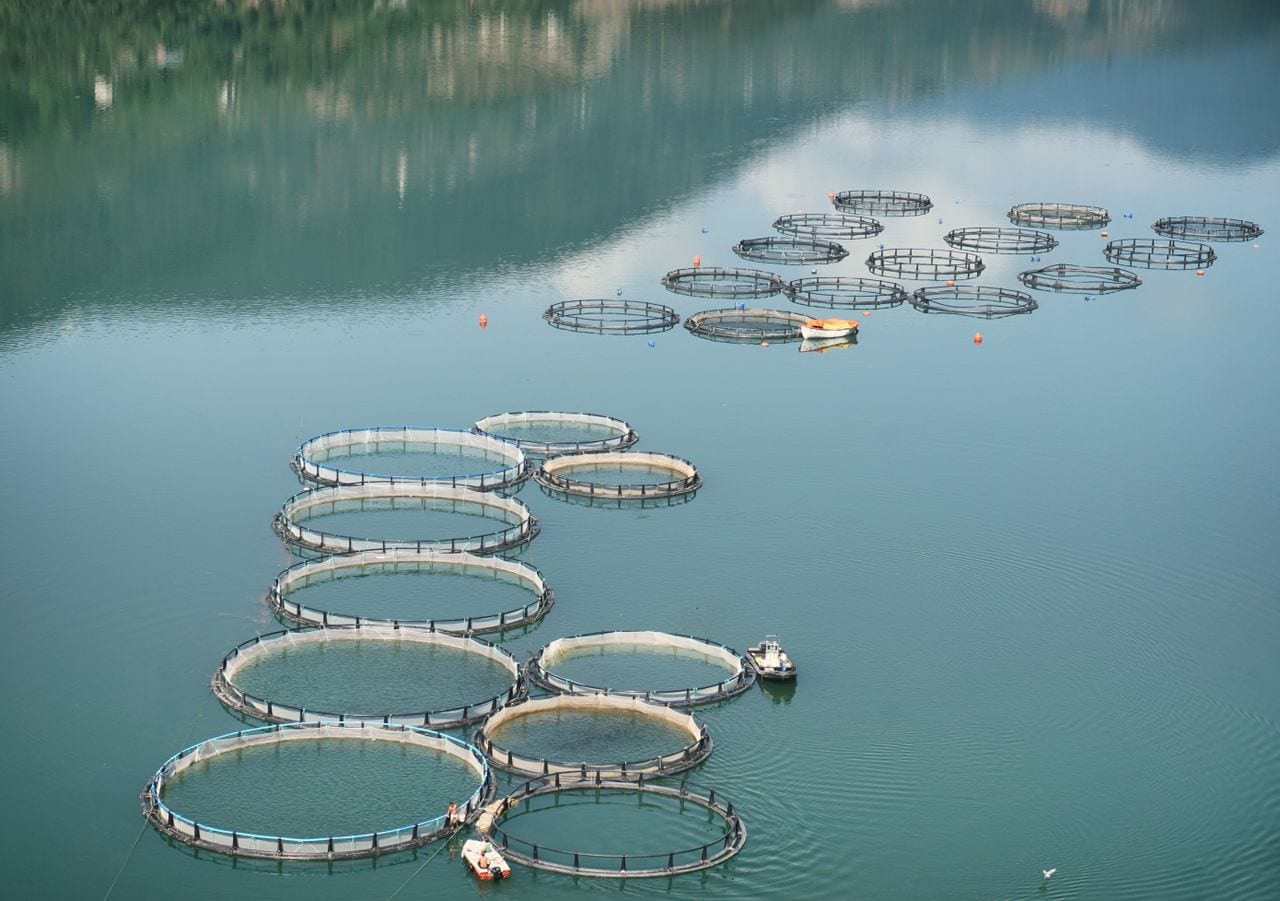
AI Monitoring for Fish in Sea Pens
How AI brings biomass, counting and health monitoring to open-water sea pens, and why offshore sites need edge processing to make it work.
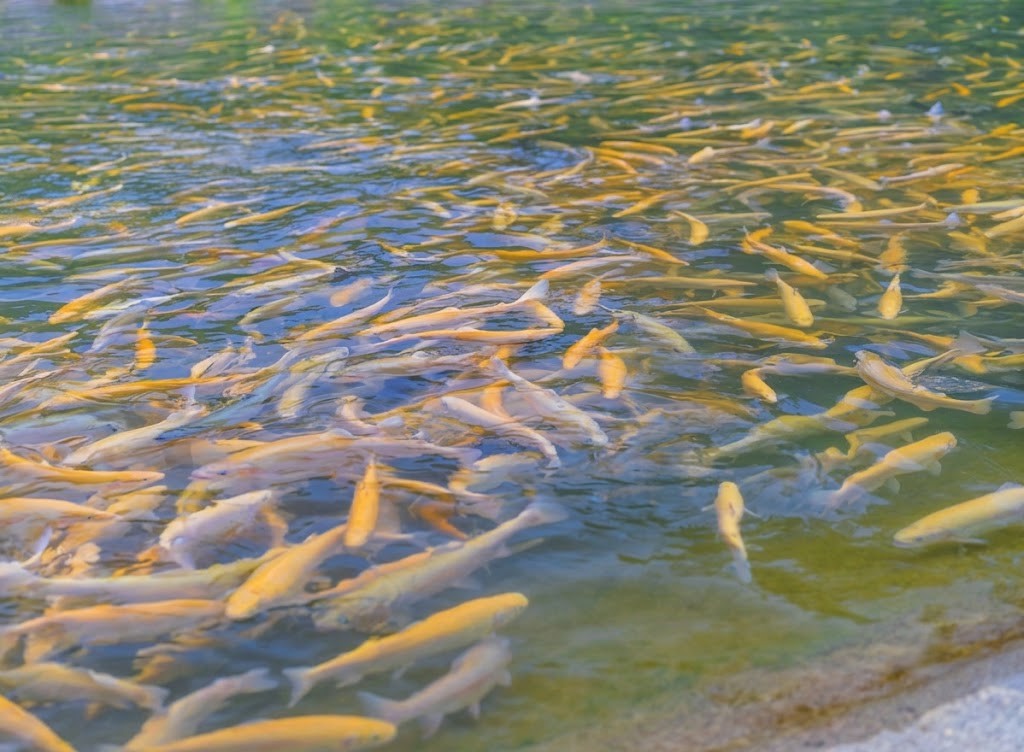
5 Ways AI Reduces Feed Waste on Fish Farms
Feed is the biggest cost in aquaculture. Five practical ways AI-driven biomass and feeding data cut waste and improve feed conversion.
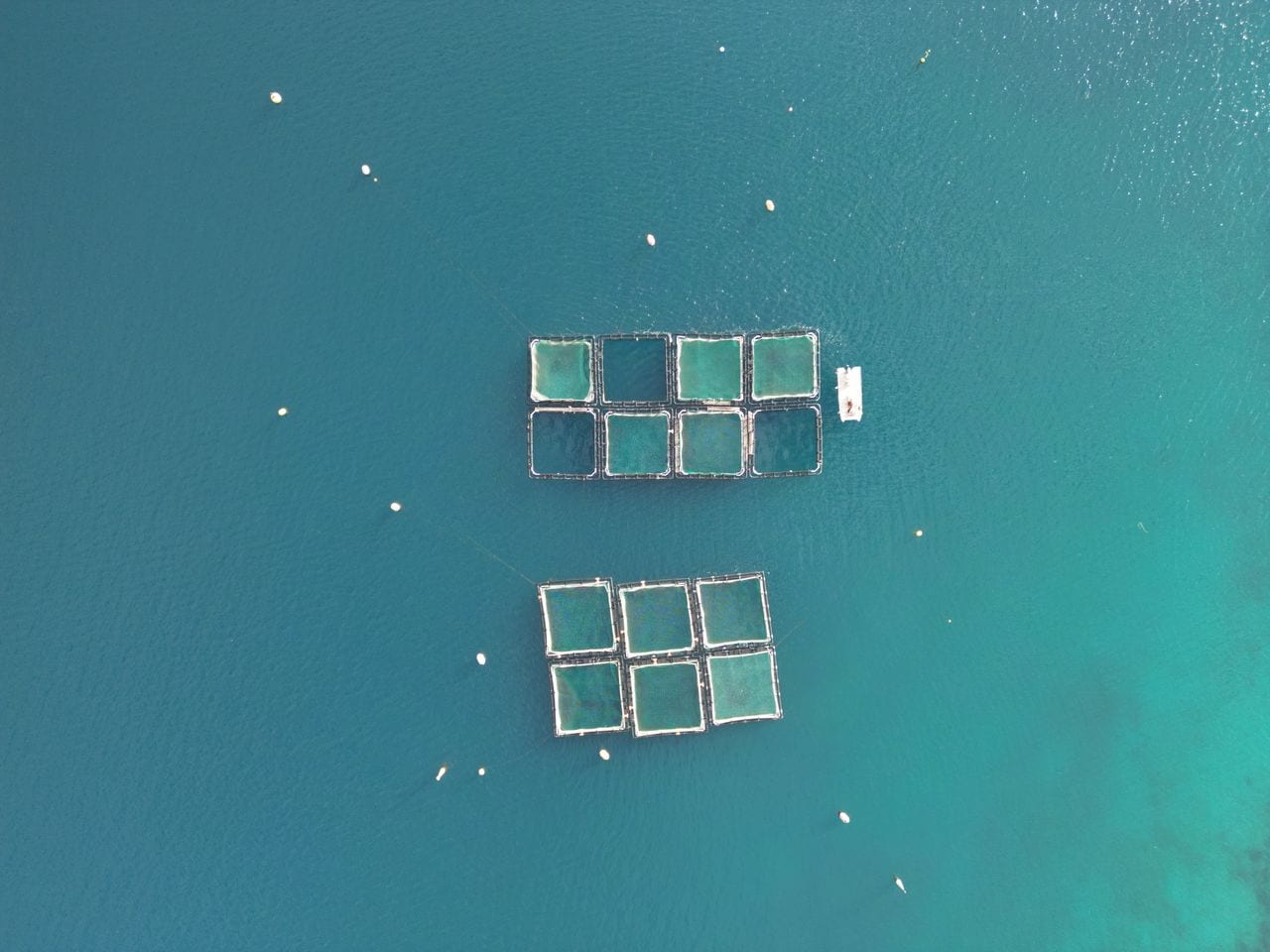
Precision Aquaculture Explained
What precision aquaculture means in practice, how data-driven fish farming differs from the old way, and where AI fits in.
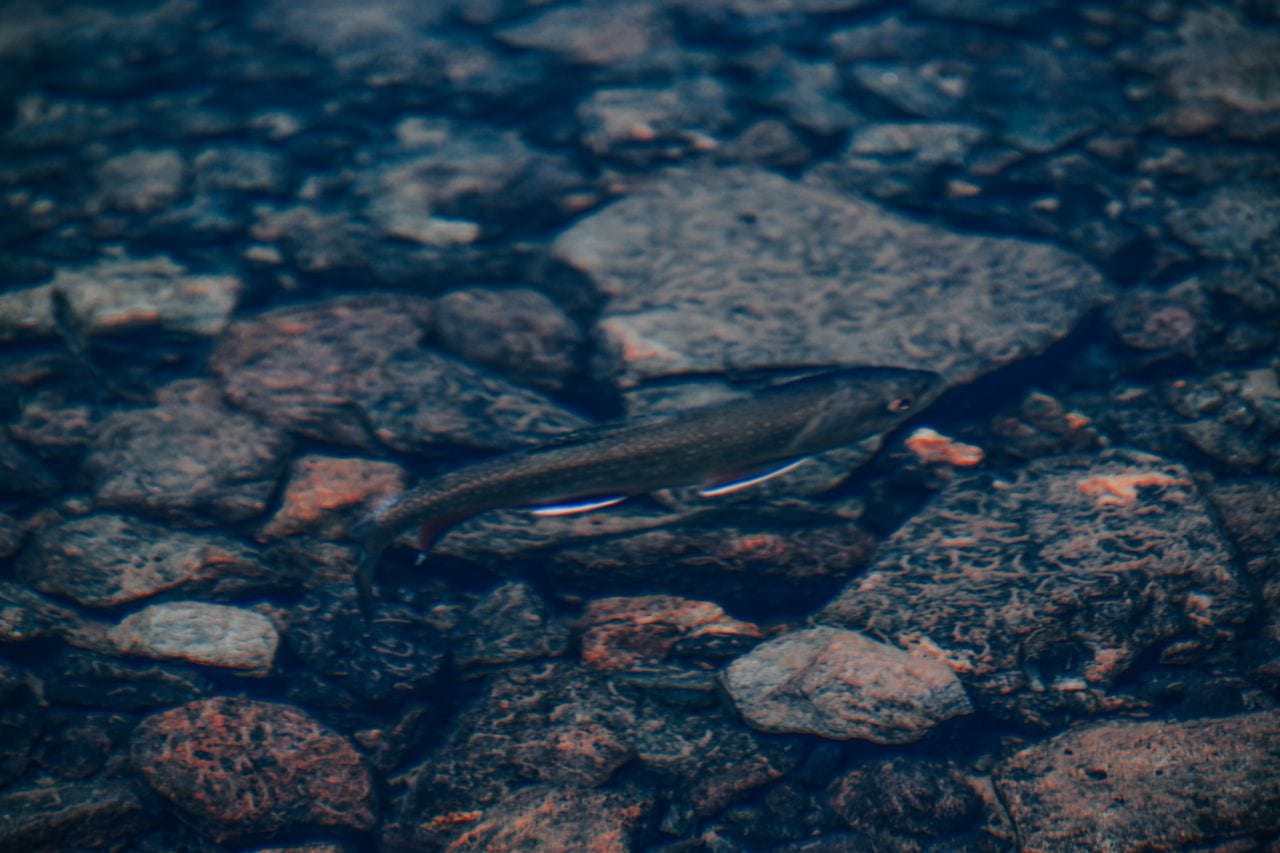
Early Fish Disease Detection With AI
How AI spots disease and stress in farmed fish before an outbreak spreads, and why behaviour is the earliest warning sign.
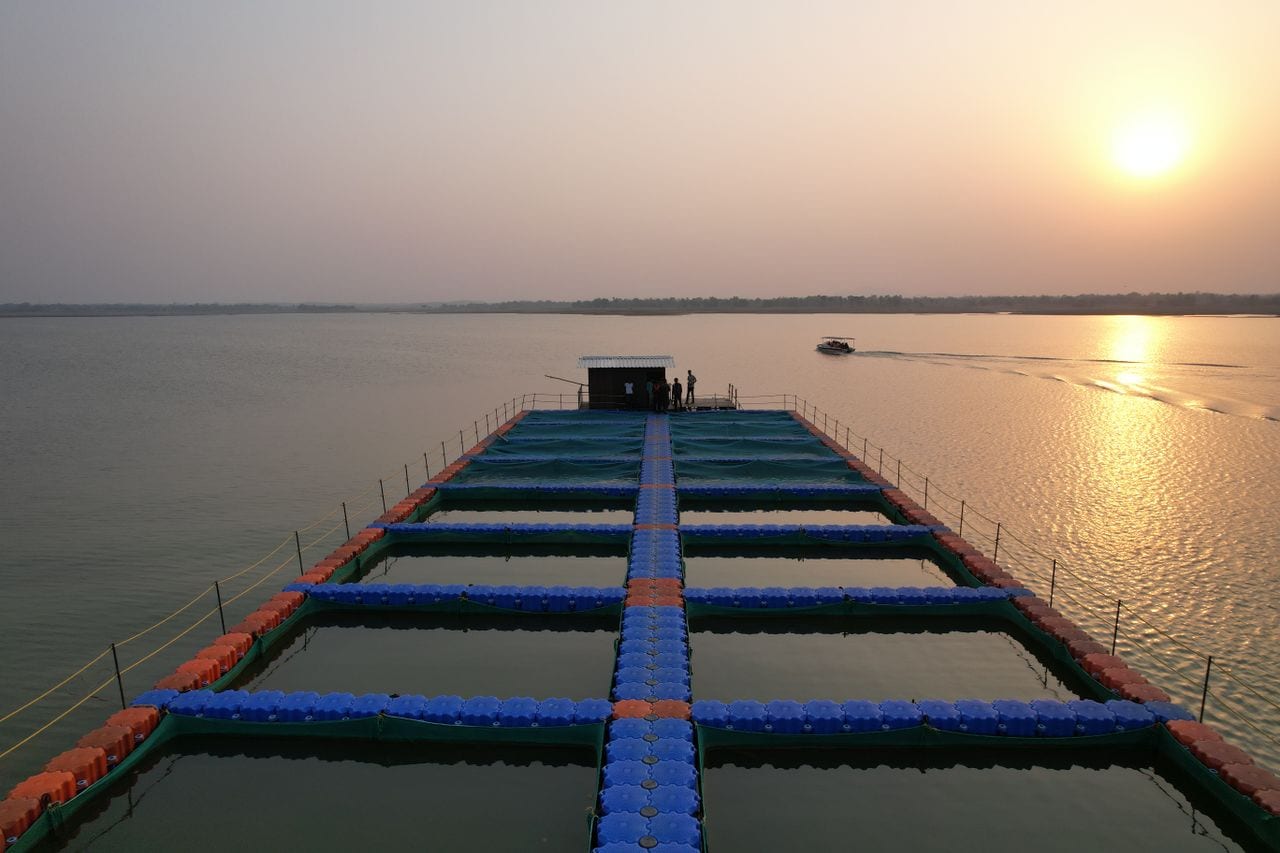
How Technology Makes Aquaculture Sustainable
Sustainability in fish farming isn't separate from good monitoring. How AI cuts feed waste, antibiotic use and handling stress at once.
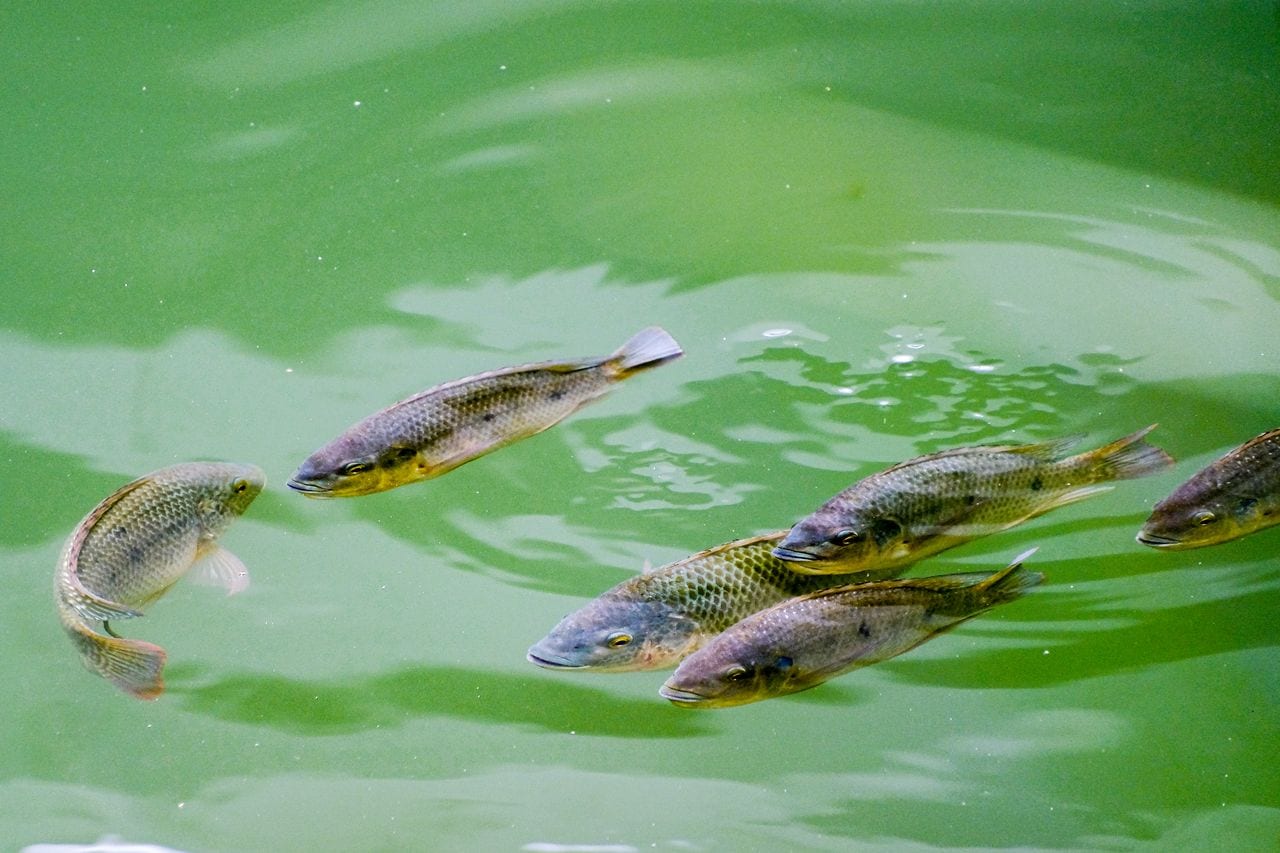
Using AI to Improve Tilapia Farming
Tilapia is farmed at high density in turbid water. How AI biomass and counting help lift yields and cut feed cost in that environment.
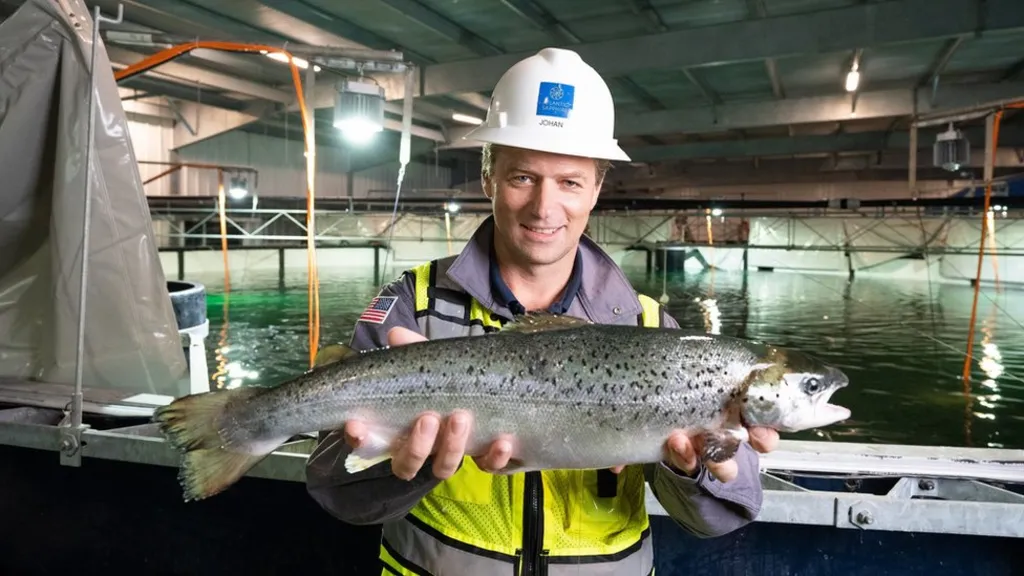
Salmon Farming Technology Powered by AI
Salmon is the most technologically advanced farmed fish. How AI biomass and health monitoring works across sea pens and land-based RAS.