
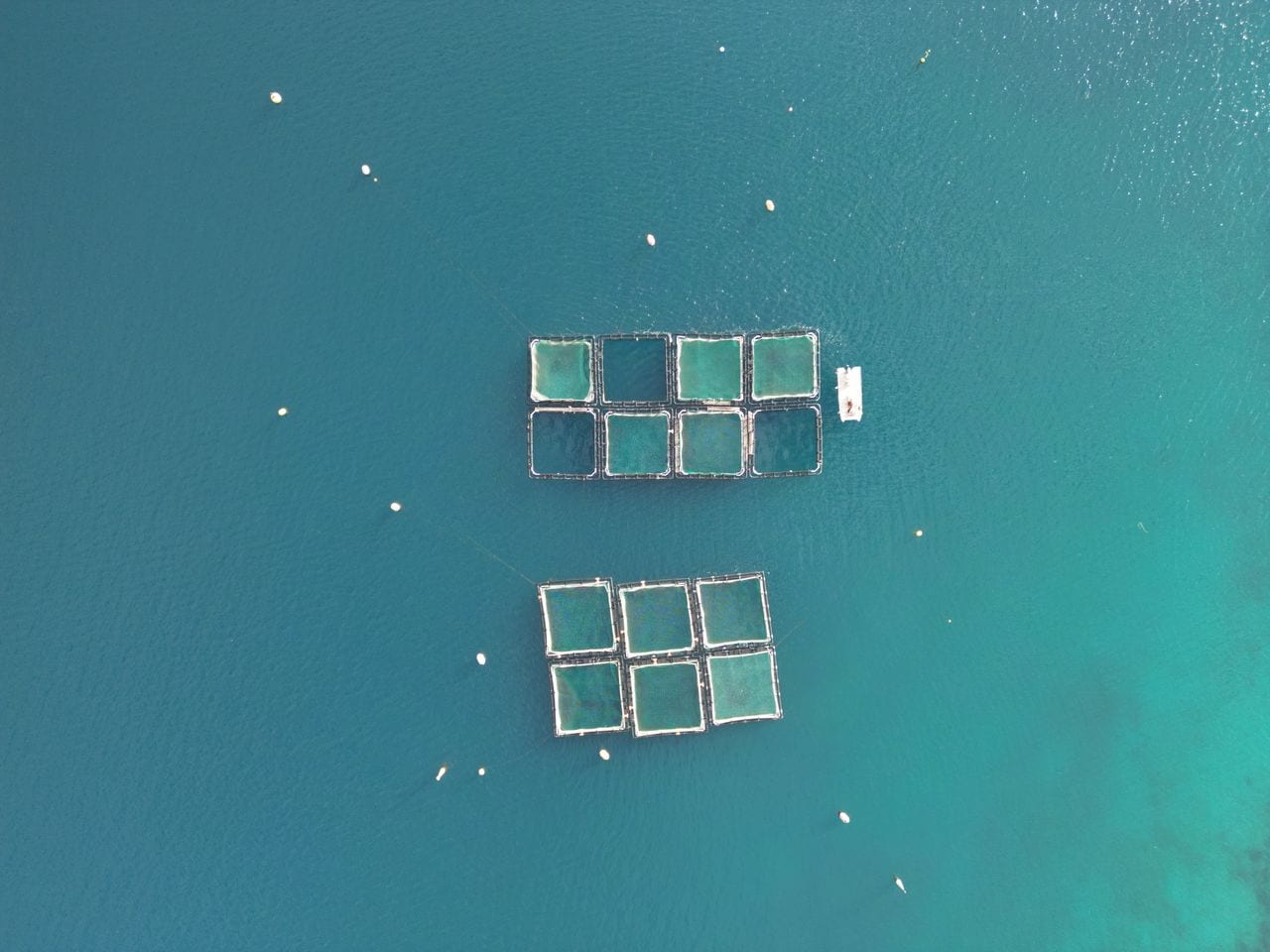
“Precision aquaculture” gets used loosely, so it’s worth pinning down. It doesn’t mean adding gadgets to a farm. It means running the farm on measurement instead of estimation, using continuous data about the fish and their environment to make feeding, health, and harvest decisions that used to rest on experience and rough sampling.
The old way, and its blind spots
Traditional fish farming leans on skilled observation. A good manager reads the water, watches the feed response, and pulls a sample now and then to check growth. That expertise is real and valuable. Its limits are also real: a person can only watch so many tanks, sampling is infrequent and stresses the fish, and the numbers behind big decisions are often weeks old.
The blind spots between check-ins are where problems grow. A feeding issue, a slow-growing cohort, or the first signs of disease can all develop unseen in the gap between one manual look and the next.
What “precision” adds
Precision aquaculture fills those gaps with continuous measurement:
- Biomass and size are measured from camera footage rather than netted samples, so growth is a live curve, not an occasional dot.
- Counts come from vision at stocking, grading, and harvest, anchoring every downstream estimate to a real number.
- Behaviour and water quality are watched around the clock, so stress and drift are caught early.
The point isn’t the sensors. It’s that decisions move from “roughly right, occasionally checked” to “measured, and checked constantly.”
Why it matters now
Margins in aquaculture are tight and getting tighter, while scrutiny of feed use and environmental impact is rising. Precision monitoring pushes on both at once: better data means less wasted feed, earlier intervention, and less handling stress on stock. The same measurement that protects the margin also shrinks the footprint.
Starting without a rebuild
The reasonable objection is cost and disruption. Precision aquaculture sounds like a capital project. It doesn’t have to start as one. Vision-based measurement can begin with footage you already capture, before any permanent install, which lets a farm see the value on its own fish first.
Our precision aquaculture page maps out the capabilities in more depth, and you can send a clip for a free analysis to see what measurement looks like on your operation.
- precision aquaculture
- data
- fish farming
See it on your own fish
Send us footage and get a free AI video analysis in 96 hours. No hardware, no cost.